


Africa: The Colors of the Maghreb
Across the African continent, color and textile are never merely decorative—they serve as a profound visual language, recording histories, spiritual beliefs, and community identity. The continental palette is drawn directly from the land and spirit: deep ochre and terracotta earths, rich forest greens representing vitality, radiant golds embodying royalty and prosperity, and striking indigo blues carrying sacred protection. From the ceremonial strip-woven Kente and symbolic Adinkra prints of Ghana to the fermented-clay Bògòlanfini (mud cloth) of Mali and the intricate beadwork of Southern Africa, each woven thread and motif functions as wearable storytelling, honoring ancestry and marking milestones.
This mastery of material culture seamlessly bridges ancient heritage with contemporary art. Traditional techniques—such as West African resist-dyeing, Congolese Kuba raffia embroidery, and North African loom weaving—continue to inspire dynamic movements in sculpture, painting, and modern couture. Today’s artisans and artists honor age-old methods while fearlessly innovating, turning raw textures, geometric complexity, and saturated tones into bold statements of resilience, celebration, and global artistic dialogue.


Berber Artistry and the Geometry of Morocco
Step into the heart of Morocco, where the vibrant landscape is mirrored in its legendary craftsmanship. From the hidden ateliers of the Fez Medina to the high-altitude weaving cooperatives of the Atlas Mountains, this journey explores the intricate world of Berber rug making, complex embroidery, and the alchemy of natural indigo and saffron dyes. You’ll wander through cobalt-blue streets and golden souks, meeting the artisans who preserve the ancient geometry of Islamic design through silk, wool, and thread.


Upcoming Tours
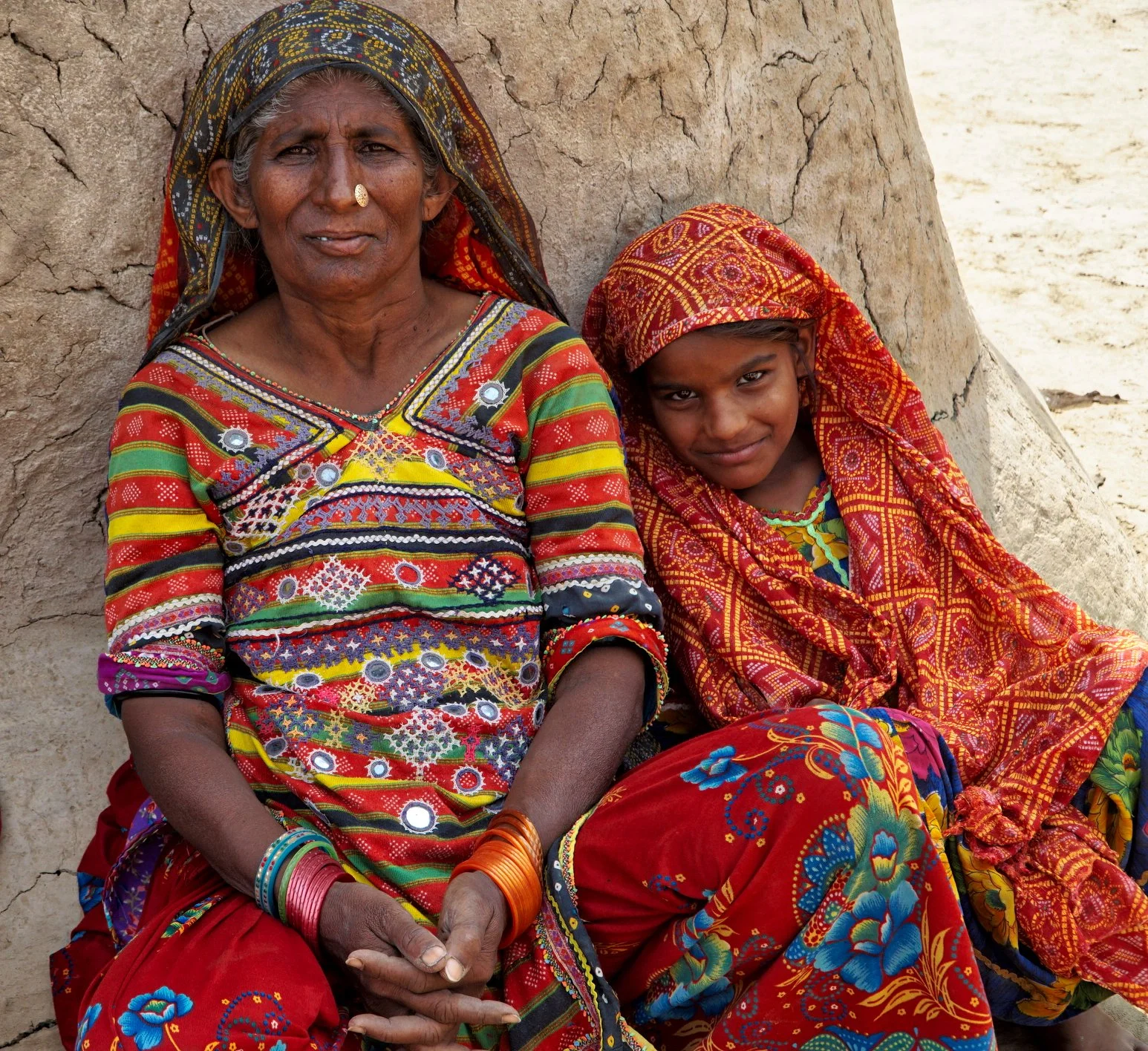 CENTRAL INDIA
 17 - 30 March
Gems of Jaipur & Holi
USD5250 6 - 18 May